

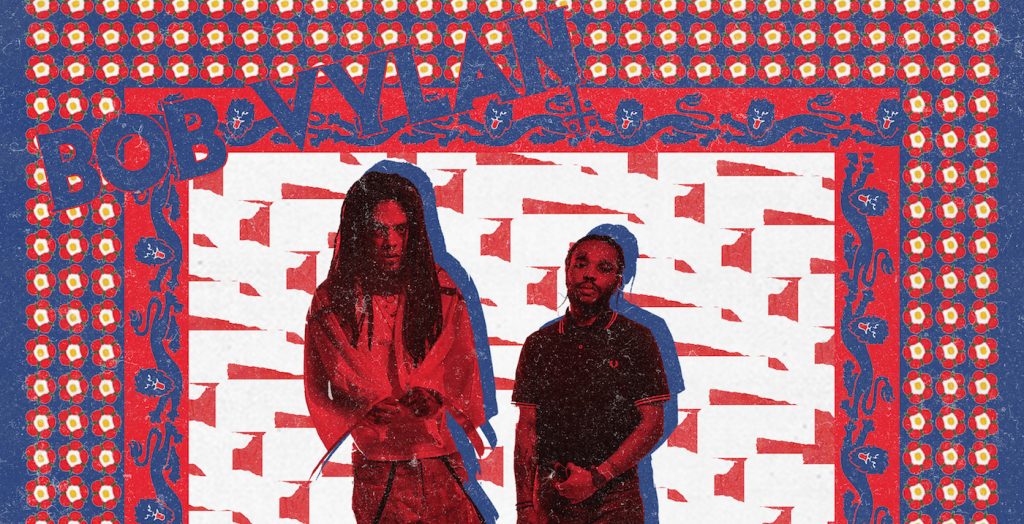
Bob Vylan – We Live Here (Deluxe) [Independent 2021]
Very British, very Black, very left, very willing to settle on rage as a solution. Which, under the COVID-Era Johnson administration is short sighted, but enough. 3.8/5
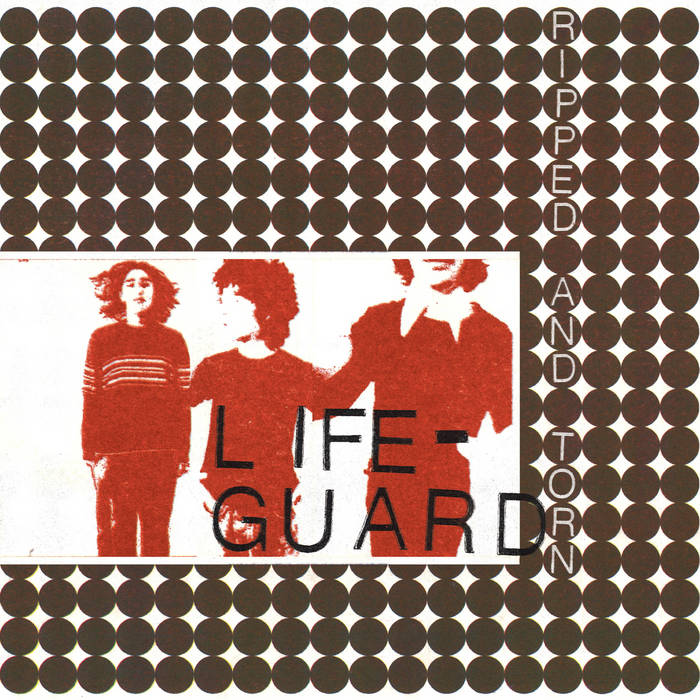
Lifeguard – Ripped and Torn [Matador 2025]
Freshly out of their teenager years, three Chicago mascs make art-punk (see: post-punk) that sounds an awful lot like the stuff from 20 years ago that referenced the stuff from 40 years ago. Best when the buzzsaws compliment a melodic vocal drone. Will they evolve? One can hope. 3.6/5
(“How to Say Desiar”, “T.L.A.”)
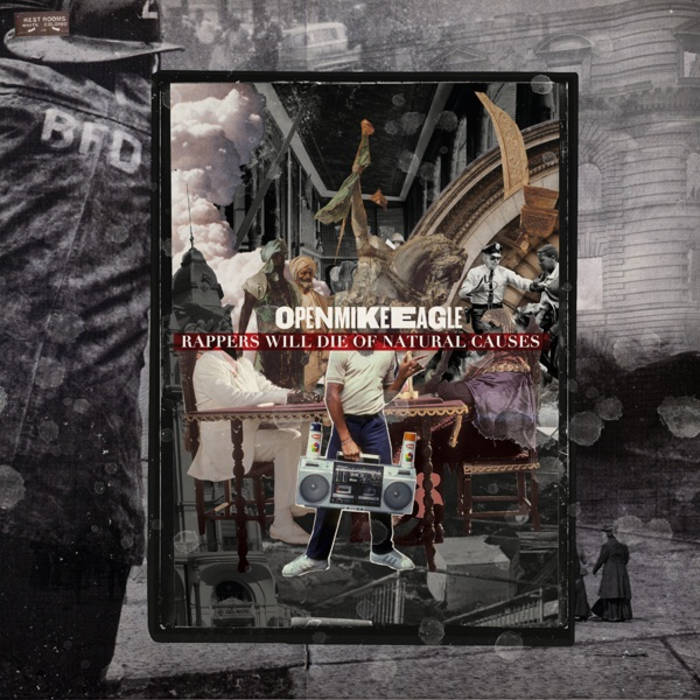
Open Mike Eagle – Rappers Will Die of Natural Causes [Self Released 2011]
His problem is that he knows he’s smart and rhymes well, which means that he has a habit of cramming too many ideas together to let any of them breathe, and with a pallet of cerebral semi-depressive but highly percussive beats to back him up it doesn’t always come across clearly what he’s trying to articulate. That being said if anyone wants to hear how electronica and alt rock were shaping up the blog rap of the era you’ll be hard pressed to find a more virulent version. 3.8/5
(“The Processional”, “Why Pianos Break”)
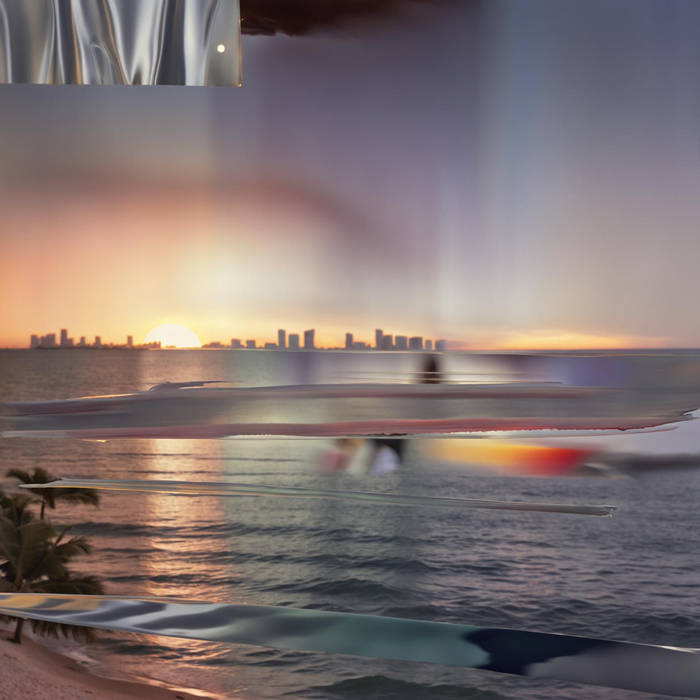
Nick Leon – A Tropical Entropy [TraTraTrax 2025]
Miami club prodigal son doesn’t position himself as club forward on his surface, there’s too much patience to his beats to be anything other than for listening – at first. Then you’ll start to notice the breakbeats and the digitized string instruments that signify the humidity of his hometown and eventually how the artifice of the synths signifies the blending of glass and steel with nature. 4.0/5
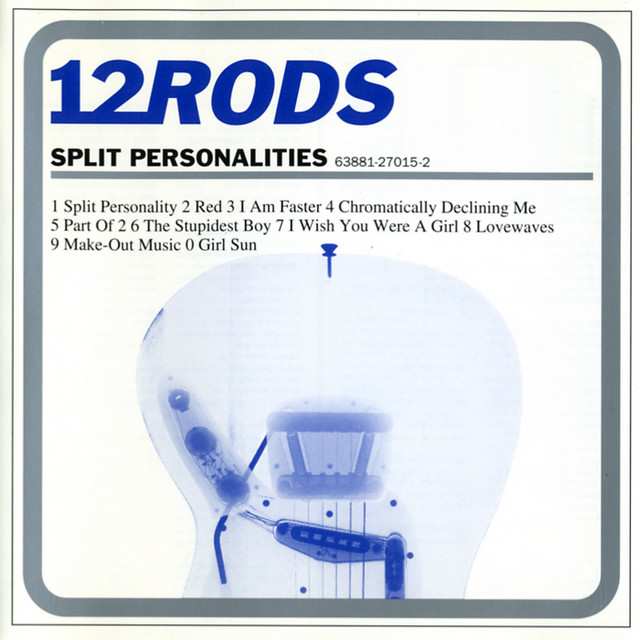
12 Rods – Split Personalities [V2 1998]
It’s obscure to all except the most fervent of p4k supporters (or anyone who’s seen their “10.0”s list on wiki) and I think what probably blew Ryan Schrieber away most of all was that it was a group of fellows also his age making ambitious songs with a lot of layers and what might’ve passed for vision back then. The timeframe is about right – brewing in indie rock at the turn of the century were a bunch of bands like At the Drive-in, Bright Eyes, Rilo Kiley, Jimmy Eat World, and Brand New who despite their clear vitamin D deficiency were making some deeply emotive and sonically dense songs that’d go on to speak to millions of fellow anxious teens. The problem with 12 Rods is that Ryan Olcott’s pained tenor and his love of prog theatrics doesn’t put across much besides a sexual frustration that seems more aimless than constructive. Usually, people like revelation or clarity with their commiseration. 3.2/5
Kneecap – 3cag [Heavenly Recording 2018]
Not quite the Beastie Boys and not quite Edward Said either, these three blokes from Northern Ireland are anti-colonialists who blend Gaelic and English to the point that it becomes a kind of pidgin that only enhances the natural musicality of the Irish language. But it’d be nice to know if there was cleverness to their anti-authority rhymes. 3.5/5
Creedence Clearwater Revival – Bayou Country [Fantasy 1969]
Still more cosplaying being from the south but with such reverence and dedication that it’s much more homage than parody or exploitation. The guitar is crisp and the riffs are individual notes instead of being power-chord based, likewise the hooks and the solos remain tasty instead of moving to the realms of noodling or face-melting. Fogerty squawks as he is wont to do about life on the bayou, the plight of the working man, and does three impressive things over the course of the record’s 33 minutes and change. First he honors Little Richard with a “Good Golly Miss Molly” cover, second he contributes to the canon itself by writing “Proud Mary” so naturalistically that Tina Turner didn’t even have to change much at the song’s core when she made it her own 3 years later, and third he invented “Chooglin’” as a term, which can mean either truckin’ or fuckin’. 4.1/5

Clipse – Let God Sort Em Out [Roc Nation 2025]
Through label shuffles and a long gestation period it looks like the coke slinging brothers from Virginia Beach are back, except things are different now. Their roles having been subtly influenced by each other, Pusha gains a bit of empathy even in his pot stirring, while Malice’s return from God’s grace grants him permission to be bad. Their placement in time as middle of the pack Gen X-ers means that they’re now family men with wives and kids who note on the outset how their drug dealing and fame obsession might’ve disappointed their recently passed on parents who seemed much more middle class than their posturing let on. So over beats that are overproduced to the point of being jarring initially, Pharell makes a sonic landscape for Pusha T and Malice to inhabit the personas of cocaine businessmen more than simple dealers, Google what “FICO” and “EBITDA” mean if you need proof. And sure businessmen can be villains, they can feel conflicted in the eyes of God while still being sadistic to the point of murder – it’s kind of an American tradition to be honest. 4.0/5
 Cosmic Hero